Sometimes, I use affiliate/sponsored links with my recommendations, which if bought through might earn me a few pennies at absolutely no extra cost to you. This helps with the cost of keeping this site alive so I can continue to guide you on your travels. Please remember that I would never ever ever recommend anything I don’t or wouldn’t use myself. Big thanks to each and every one of you who have trusted my recommendations so far! Lozzy x
We got very lucky with our visit to Cochabamba, Bolivia. On the night bus there from Santa Cruz, the German friend we were travelling with invited us to stay with his local amiga in the city. We were wary of accepting because it’s a very British thing to offer that someone stay but expect them to turn it down, but our German friend assured us that the invitation was legit, so we went with it! Adriana and her family were SO welcoming, we could never thank them enough.
After this post on where to stay, safety & things to do in Cochabamba, Bolivia, you may also find these guides helpful:
- What to do in La Paz, highest capital in the world
- Torotoro National Park: explore dinosaur footprints in Bolivia’s epic adventure hub
- Best time to visit Bolivia: is rainy season really that bad?
The first thing they did when we arrived was take us to a local restaurant called Terremoto (or ‘earthquake’), and feed us plates piled high with local delicacies, such as mote, humita and salchipapa. We left the restaurant in the midst of meat sweats, holding our bellies to stop them exploding.
On our last day, Abuela and cousins came round for a courtyard-cooked meat lunch, which we only wished we weren’t so hungover for (thanks to her grand-daughter!).

We loved our time in Cochabamba, and it’s sad that it’s often a city missed out by travellers in Bolivia. So, this travel guide is going to tell you all about safety, where to stay, where to party and things to do in Cochabamba. Listo?
11 Awesome things to do in Cochabamba
1. Stand at the feet of Cristo de la Concordia
Perched atop San Pedro Hill, this colossal statue is the city’s most iconic landmark, and is actually 4 meters taller than the Christ the Redeemer statue in Rio de Janeiro, Brazil (our new familia told us it was 33m to account for Jesus’ 33 years of life, but turns out it’s actually 34m tall. Oops.).
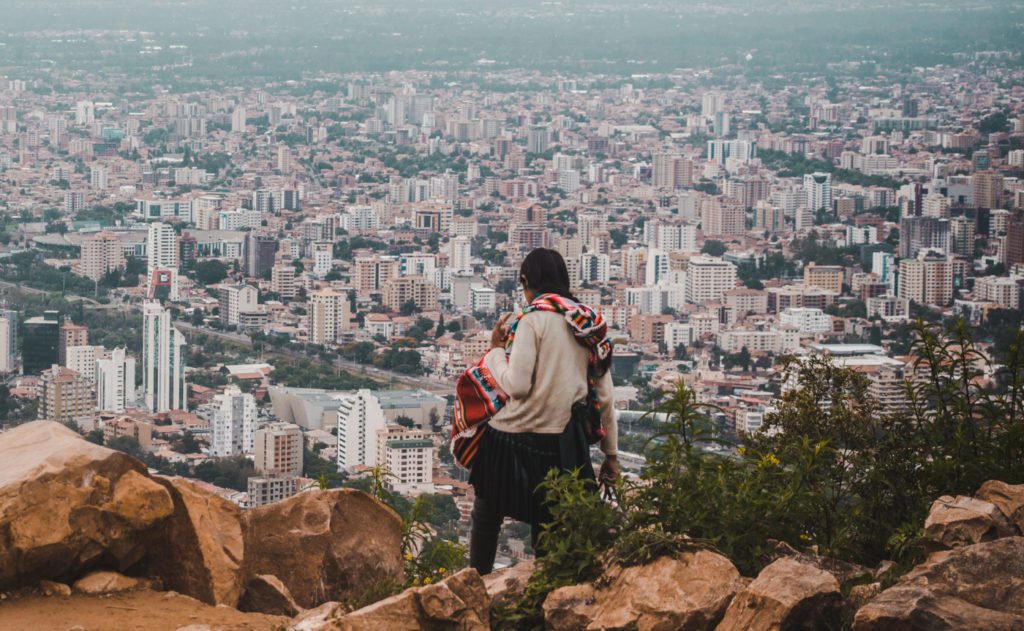
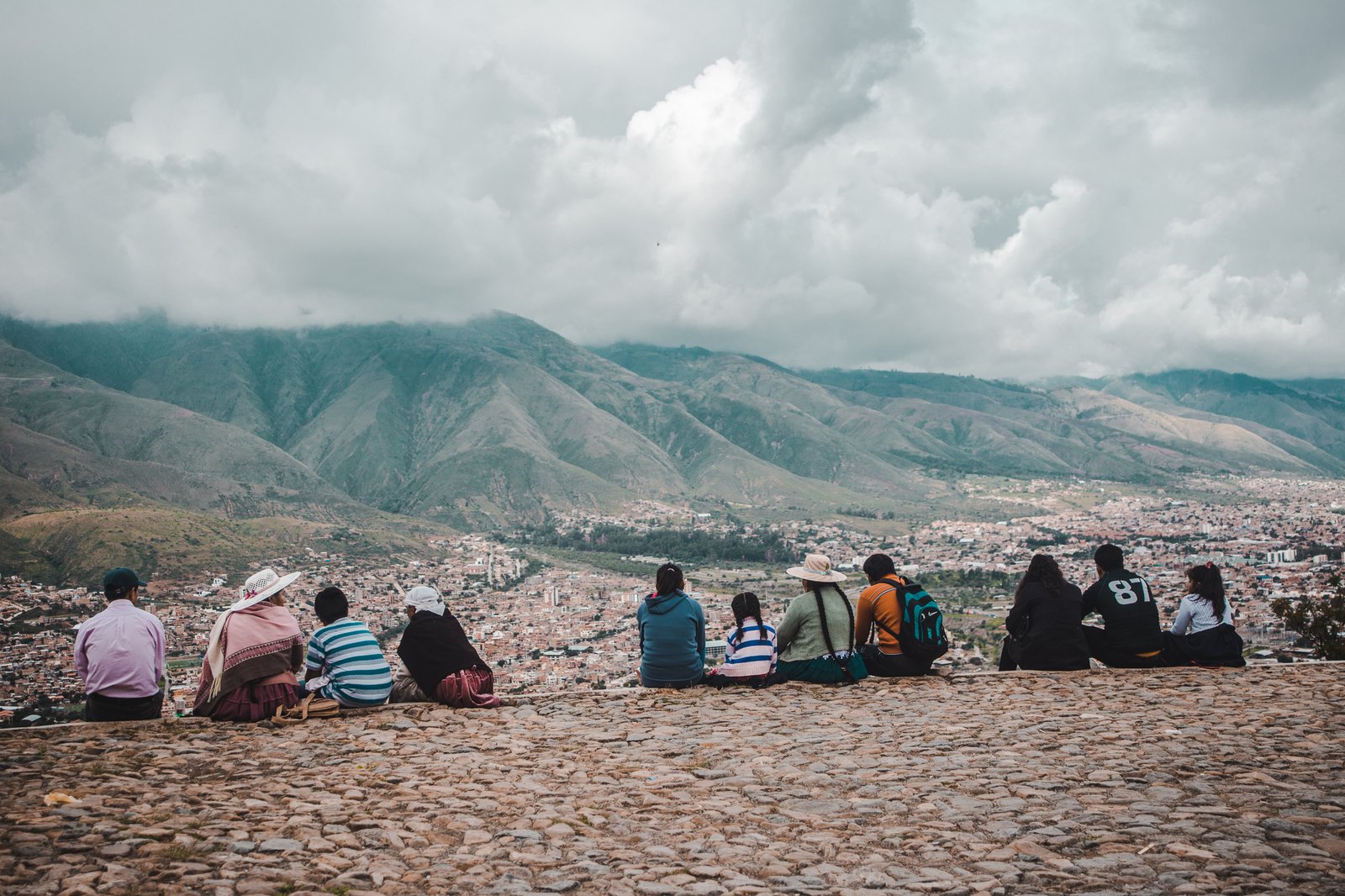
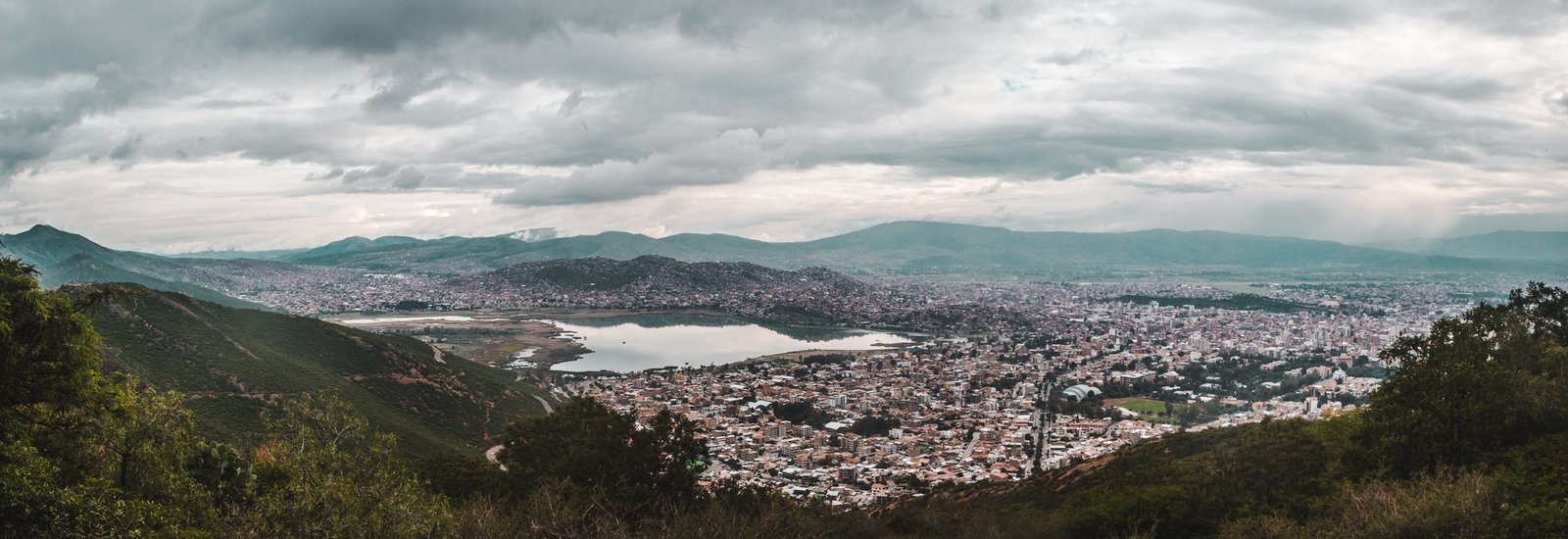
It’s only here that you realise just how sprawling this city is, across hills and plains with giant lakes in the middle. Coming here at sunset would be incredible, as views are 360 degrees.
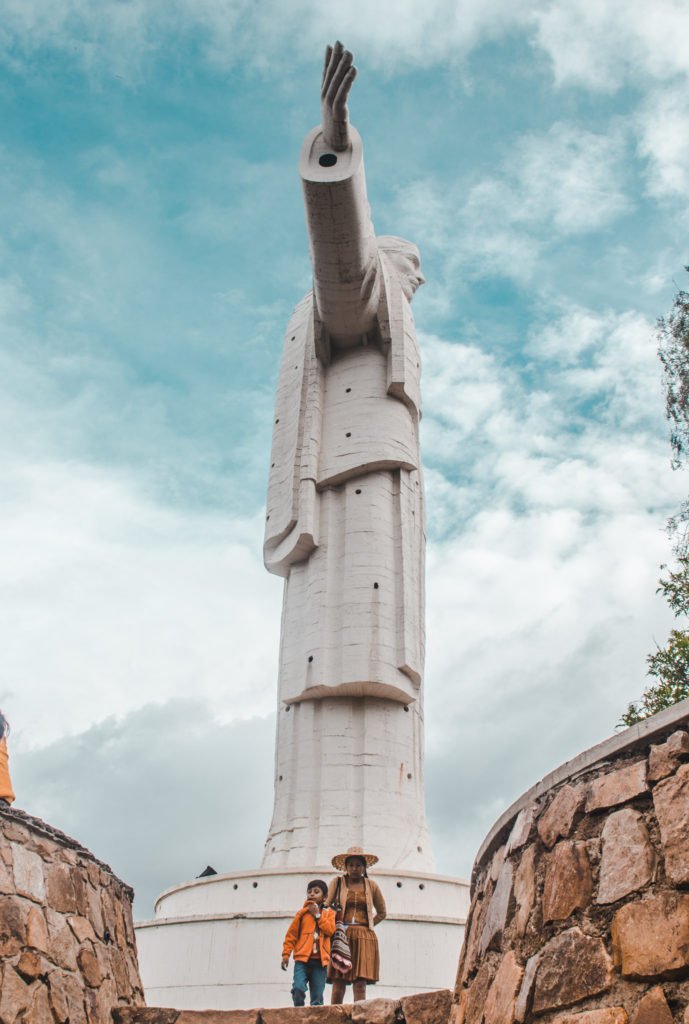
But how to get up there to the Cristo de la Concordia?
- In 2026, the best way to reach the summit is via the teleférico/cable car for around 10Bs ($1.45/£1.10) – just note that the teleférico offers limited tickets and shuts quite early in the evening.
- You can also take a quick taxi for a few quid each way from the base of the hill.
- For the sadists among us, you can walk the path up, but it’s steep, long and at high altitude, plus there are groups of thieves that have been known to prey on exhausted hikers.
When up the hill, to get right up to the Jesus statue itself is free of charge – no tickets needed.
Not high enough? Once at the top, you can then climb the internal stairs of the statue for a view from Jesus’ arms, looking out over the sprawling city and Alalay Lagoon (more on that later in this list of things to do in Cochabamba!).
A tip on Cochabamba altitude: views from the top of the Cristo de la Concordia hill are spectacular, but if you haven’t yet been to Bolivia’s higher-altitude cities like Potosí or La Paz you can expect to feel pretty breathless just walking around. If once up there you find that your lungs can’t hack it, catch your breath sitting next to locals along the brick wall surrounding the hilltop.
2. Dive into the chaos of La Cancha Market
Sometimes considered the largest open-air market in South America (though Otavalo in Ecuador may have words to say about that!), La Cancha is a sprawling labyrinth where you can find everything from handmade Andean textiles to the latest electronics.
It’s the best place to experience the “real” Cochabamba – navigating the stalls to find a bowl of Sopa de Maní (peanut soup) or watching the skilled Cholita stall-owners negotiate with locals.
For the best La Cancha experience, visit on Wednesday or Saturday when the market is at its peak energy.
4. Experience ‘death by food’ in Bolivia’s culinary capital
Bolivia may not be known for its cuisine, but Cochabamba’s signature dish helps it stand out as an outlier and the undisputed food capital of Bolivia.
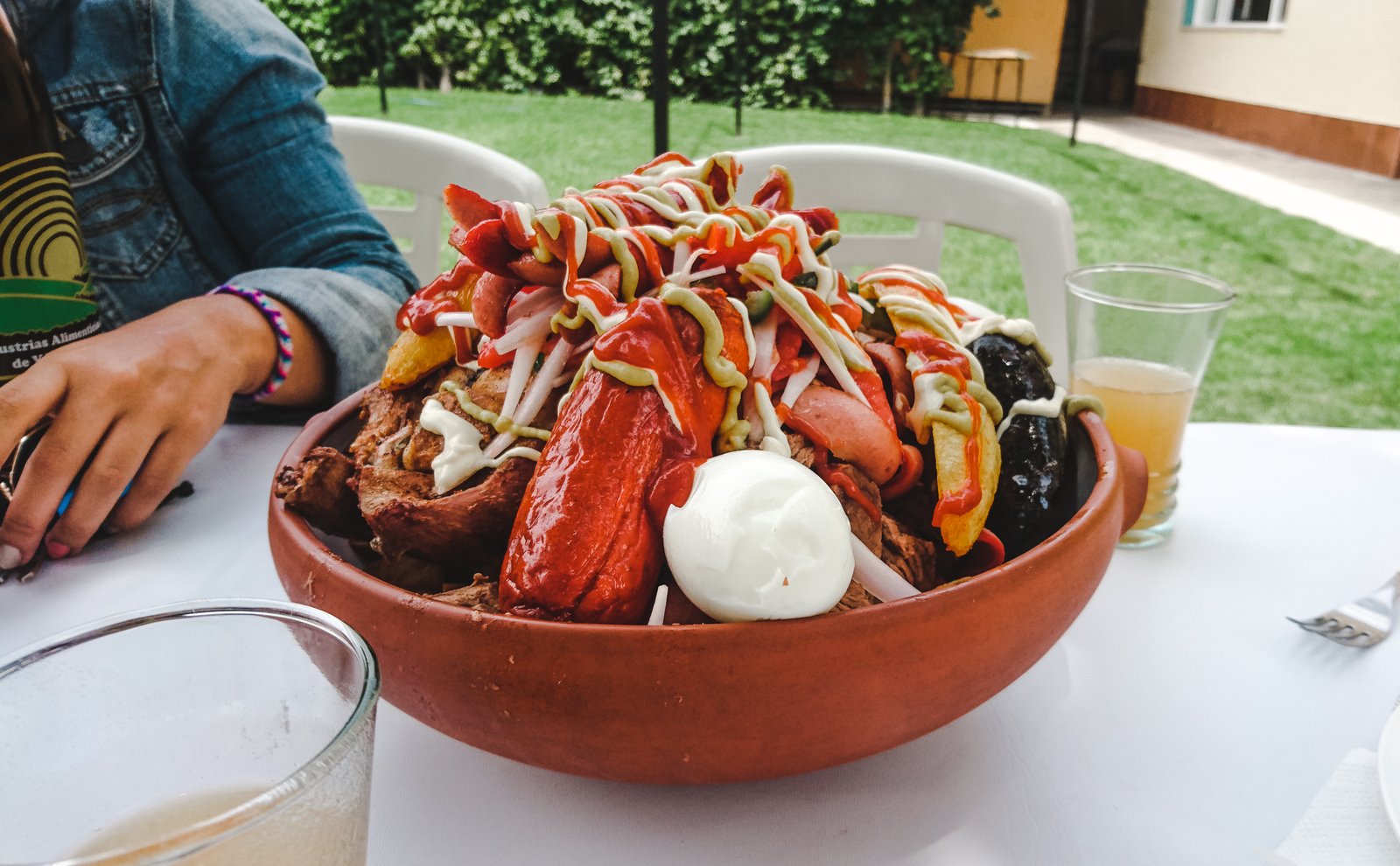
Put simply, you haven’t visited Cochabamba until you’ve tackled a Pique Macho. This bestia of a dish consists of a mountain of beef, sausages, peppers, and fries, traditionally served in portions so large they are meant for sharing (though locals will challenge you to finish one solo, as we almost immediately found out).
Head to Casa de Campo for a traditional version or El Palacio del Silpancho to try the city’s other heavy-hittind local delicacy, the Silpancho. Hope ya like rice and potatoes!
And on the off-chance that the stomach-stretching doesn’t absolutely put you off food for life, you can take a 3-course Bolivian cooking class here in Cochabamba.
5. Hike the Inca Trails of Incallajta
For a day trip that beats the crowds of Machu Picchu, head to the ruins of Incallajta, a huge 15th-century Inca fortress located about 2 hours from the city. This site served as the easternmost stronghold of the Inca Empire and features the remains of the largest roofed building in the entire empire.
It’s rugged and often empty, so you can to explore the stone fortifications and nearby waterfalls in total peace, though you’ll get much more out of it (and much less hassle on the journey) if you visit Incallajta with a local guide.
6. Relax post-hike in the Historic Plaza 14 de Septiembre
As with anywhere in South America, the main plaza, in this case Plaza 14 de Septiembre, is the heart and soul, and the most beautiful place in the city.
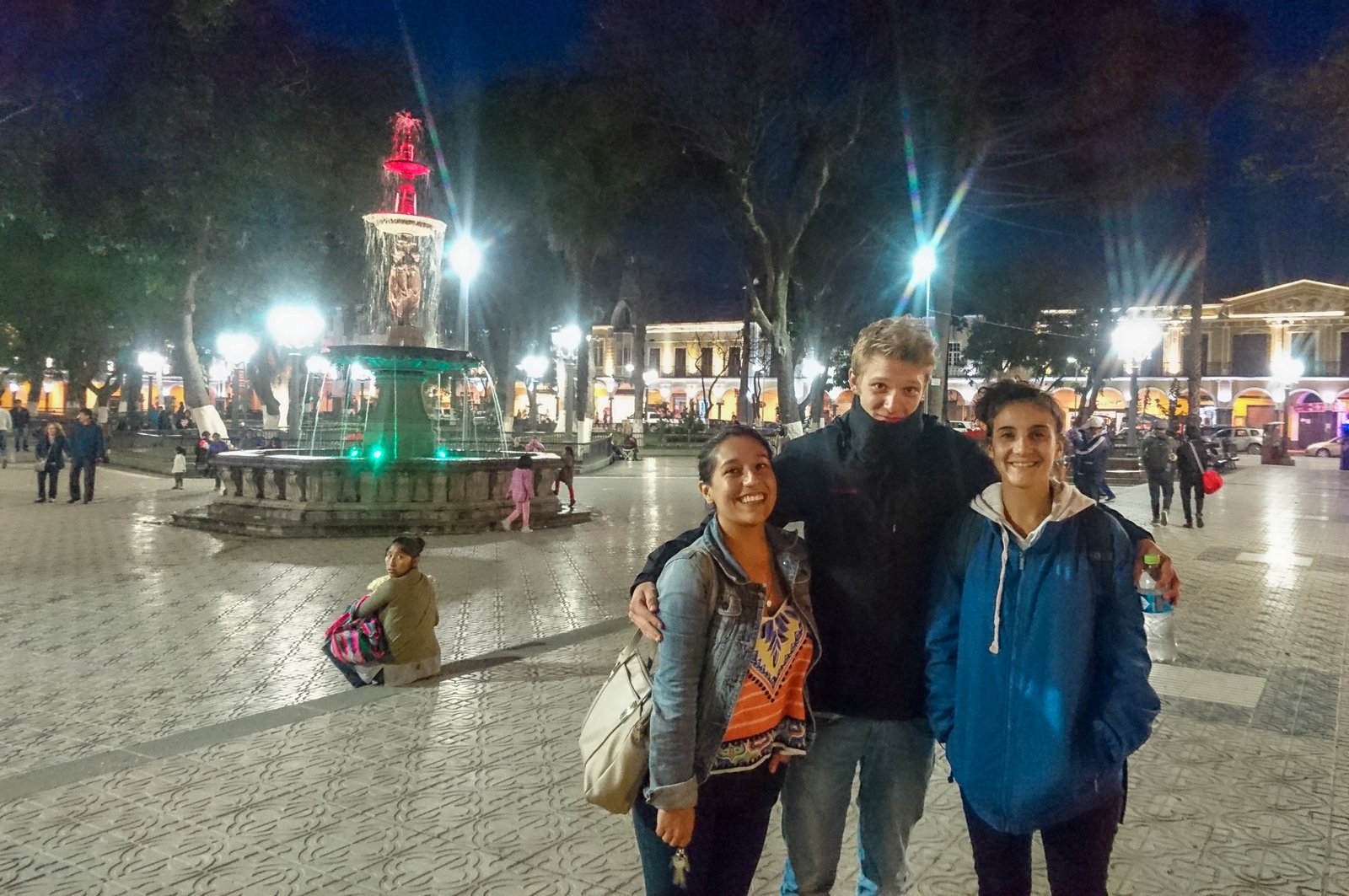
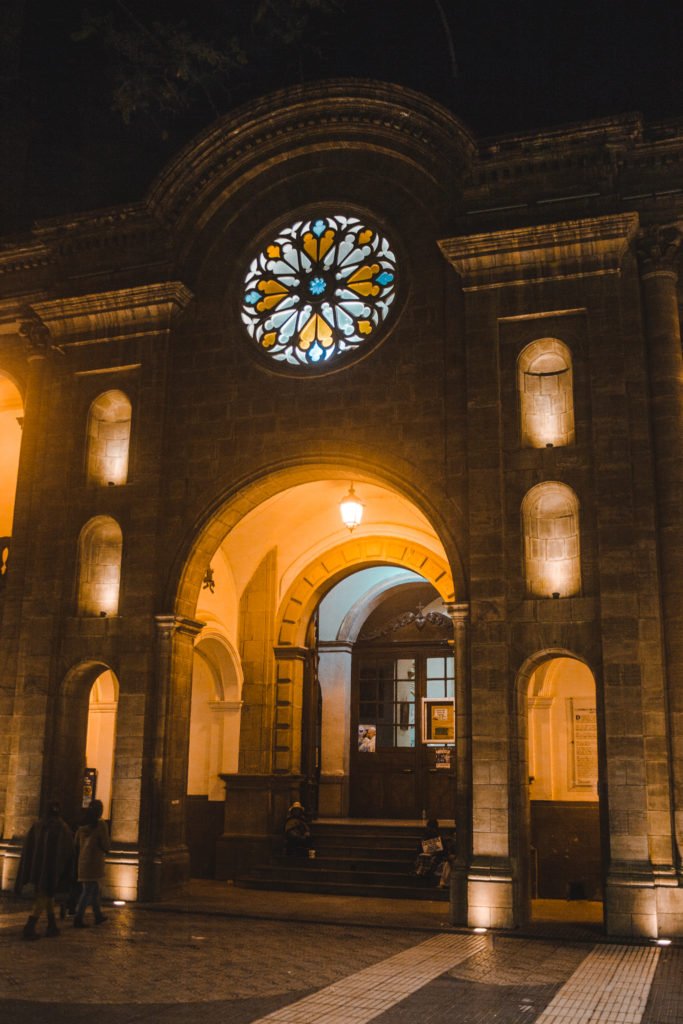
Cochabamba is no exception, with stunning archways and a huge cathedral (San Sebastián) on the square. It’s the place to be for people-watching under the shade of massive trees while sipping down a freshly-made garapiña (a traditional sweet corn drink). At night, the fountain is lit up in the colours of the Bolivian flag.
If squares are your thang, you should also check out Plaza Colon for some prettiness. It’s actually the first stop on this very-modern-very-hip self-guided tour of downtown Cochabamba that you can do at your own pace through your phone.
7. Catch a show at the Waters of the World (Parque de la Familia)
One of the newest things to do in Cochabamba, this Parque de la Familia now features a choreographed light & music show involving dozens of dancing fountains. It’s a popular evening hangout for local families and couples, offering up a surprisingly modern and tech-forward experience in an otherwise traditional city.
In 2026, the park often hosts pop-up food trucks nearby, making it an easy and affordable dinner-and-a-show.
8. Climb Pico Tunari
Not quite out of breath yet? Get yourself 5030m altitude by hiking up Pico Tunari, the highest point in Cochabamba. This lies in the Tunuri mountains 1.5 hours drive from the city, and on your way to the summit you’ll the Toro Lagoon and beautiful wetlands with plenty of wildlife to watch out for.
9. Explore Alalay Lagoon
This mahoosive urban lagoon is a haven for biodiversity, hosting dozens of species of Andean birds and flamingos depending on their migration seasons. There’s a paved path around the entire lake, making it a fave spot for local joggers and cyclists looking to escape Cochabamba’s chaotic scenes. It’s another great spot to catch a sunset, with the Tunari mountain range as a perfect backdrop as the city’s lights come on.
10. Dance away at Cochabamba Carnaval
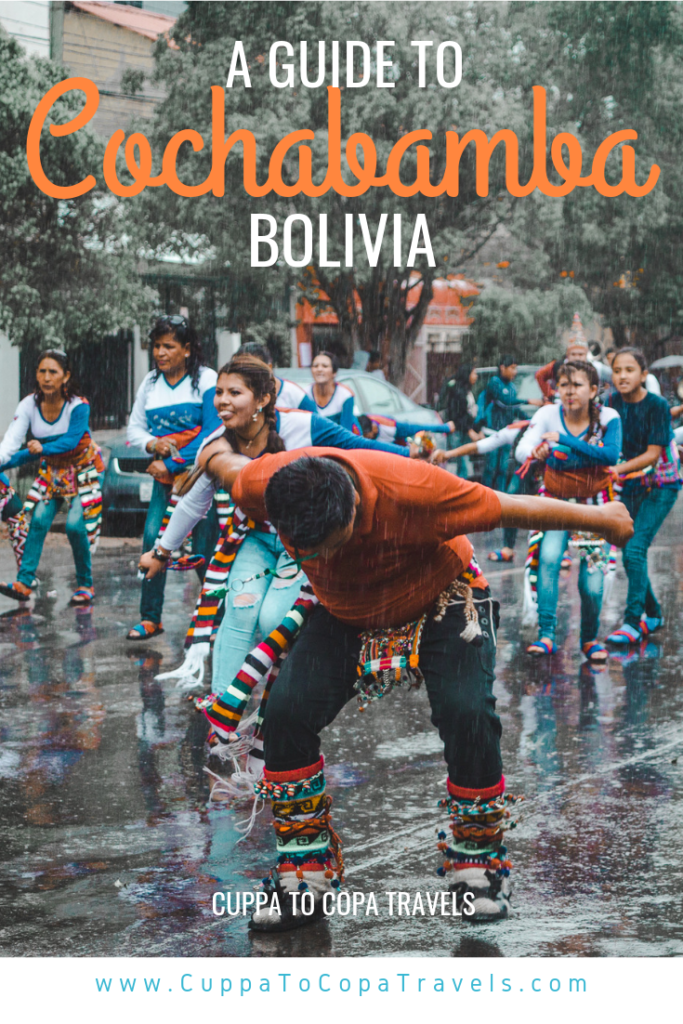
If you happen to be in Bolivia during Carnaval (usually late February), you’ll be able to see some incredible processions, as well as water fights. Oruro is seen as the best carnival spot in Bolivia, but expensive and quickly booked up, so Cochabamba is seen as second Carnaval option for those wanting to see energetic processions of traditional Caporales and Tinku dance troupes as well as water fights (though you’ll see water fights all over the northern countries of South America this time of year!).
We were sadly not in Bolivia for Carnaval, but on the Saturday 2 weeks before we were lucky enough to be able to watch the rehearsal for the dance groups and marching bands, which lasts all day and well into the evening.
If you end up falling in love with the dances you see at Carnaval in Cochabamba, you can take a Bolivian folk dance class while here!

11. Hop over hunt dinosaurs in Torotoro
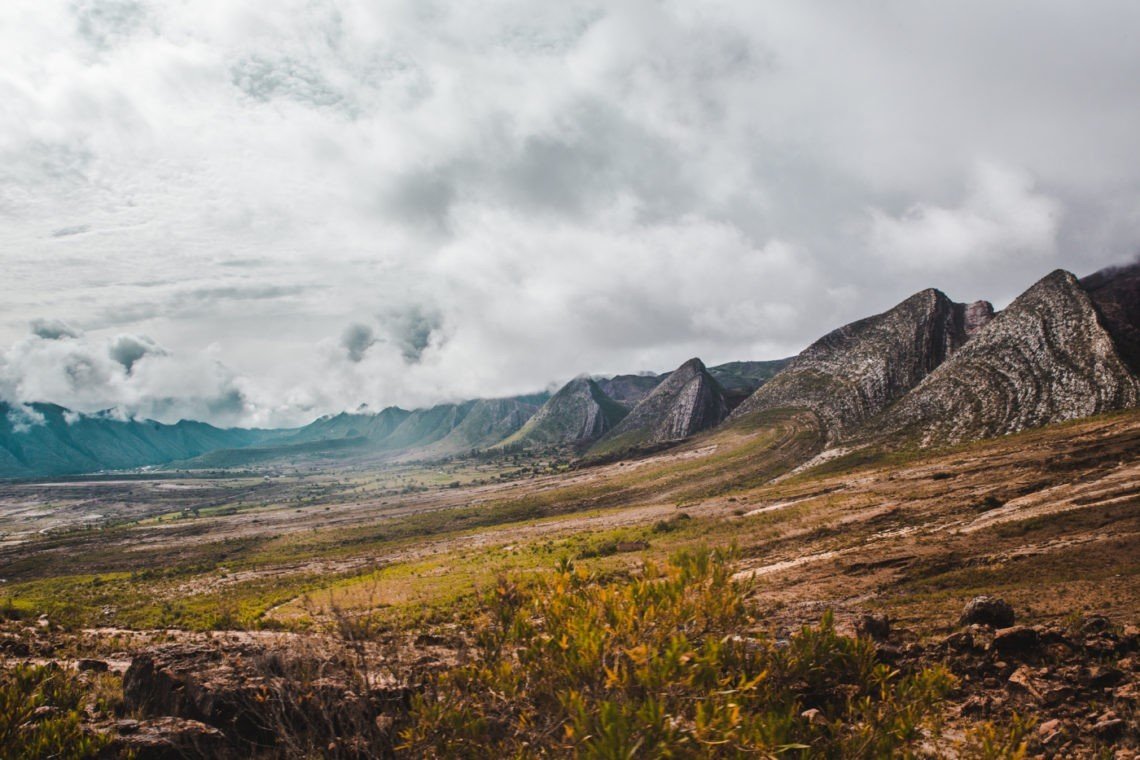
Ok, so it’s not exactly a ‘hop’, but it is only from Cochabamba that you can make the 7 hour bus trip to Torotoro to see dinosaur footprints, the canyon, pre-Incan ruins, and more.
How to get to Torotoro from Cochobamba is explained fully in our ToroToro travel guide (along with things to do and where to stay), but in short there are colectivos (minivan-taxis that leave whenever full, also called trufis) that you will take from ‘Avenida Barrientos, Esquina Republica’ in Cochabamba, starting at around 5am – but it will take a while for a colectivo to fill up that early, as we discovered!
If you want a bit more certainty about your time getting to and spent in Torotoro, opt for a reliable multi-day group tour, instead.
Where to stay in Cochabamba
Though we stayed with our new Bolivian family, we didn’t actually stay anywhere, but luckily for you, we still did all the normal research into where to stay in Cochabamba.
The city is cheap but basic for accommodation. Ideally, you’ll be as close to La Recoleta as possible, for better safety, activities & places to eat. So, what are our recommendations on where to stay in Cochabamba?
– Our hostel pick: Valley Wasi Hostel
Just on the edge of the action, this highly-rated, comfortably-priced hostel is a great place to meet other backpackers – especially as their rooftop terrace provides the perfect spot for striking up conversations.
– Our hotel pick: Hotel Boutique La Casa de Margarita
This simple but darling hotel is well-situated and very popular amongst travellers to Cochabamba.
– Our apartment pick: Apartamento Blue Poet Sky
Most of the places to stay in Cochabamba are actually apartments, so you can live as the Cochabambinos do! If you go down the local-living route, Blue Poet Sky has got to be the one. It’s stylish, reasonably-priced and seems to make their cleaners wear hazmat suits (questionable claim).
Where not to stay in Cochabamba
The area around the bus terminal (La Coronilla): While staying in this area might be tempting due to the early morning buses to Torotoro, this area can be dangerous at night. It’s a hotspot for petty crime and druggies.
South of the Market: As you go further south of La Cancha, the neighbourhoods become more industrial and lack police presence.
Safety in Cochabamba, Bolivia
Well, this is the raw, unpolished Bolivia. With your wits about you, you’ll likely be fine, but there are some important tips for safety in Cochabamba that you should keep in mind:
- Get to the bus terminal safely: As said in the where to stay in Cochabamba section, this is not a pleasant nor safe area of the city. Do not walk to or from the bus terminal at night – even if your accommodation is nearby, a $2-3 USD taxi is a necessary investment for this specific area
- Don’t flag taxis at night: Forget hailing random street taxis and stick exclusively to official Radio Taxis (look out for the ‘Taxi Seguro‘ sticker and a 4-digit radio ID on the side) or tracked rideshare apps like InDrive to avoid the risk of “express kidnappings” – a rare but present concern in urban Bolivia.
- Avoid bloqueos: If you see a crowd gathering for a protest/bloqueo (roadblock), head swifffftly for the opposite direction. In 2026, even peaceful gatherings can escalate quickly, and bystanders may be caught in tear gas or behind roadblocks. Keep up to date with local news wherever poss!
- Stay aware of Petty Theft: Keep your phone out of sight in La Cancha market. Skilled distraction teams often work in pairs – one to spill something on you or create a commotion, while the other lightens your pockets.
- Protect against Chikungunya: This probably sounds quite small compared to the last points, but 2026 health alerts recommend enhanced mosquito precautions (using repellent with DEET) in Cochabamba to prevent Chikungunya, which is currently a seasonal risk in the valley.
Where to party in Cochabamba
Hands down our favourite thing about our stay in Cochabamba was that our host took us out partying with her friends and the elite of the city. On the Saturday, she got us tickets (3 in advance, and one we had to pay for at the door) for GLOW, for which you must wear white, and you will be given free tubes of luminescent paint at the door to smother upon yourself in the most instagrammable way possible.
You don’t have much choice than to pay for a VIP area (which includes 3 bottles of spirits) because the whole place is taken up by VIP areas, so everyone just dances on top of the benches in their reserved spot. Let us tell you, dear reader, this night was INCREDIBLE.

On top of the VIP bottles (which we won’t divulge prices of because we’re not sure how many people paid in for it, so the total wouldn’t be accurate), beers in this exclusive club were a mere 10Bs (£1). Music was a mix of American/European dance & pop before switching to reggaeton. The club is a little out of town, but there are enough taxis around at the end of the night. Our only gripe was that it finished at 3am, which is very early for Latin nightlife.
Recommended stay to enjoy Cochabamba, Bolivia: 2 days
TLDR: Cochabamba quick travel guide
| Claim to Fame | The culinary capital of Bolivia and home to the world’s second-largest Christ statue |
| Top Landmarks | Cristo de la Concordia (Jesus Statue), Palacio Portales, Parque de la Familia’s fountain light shows |
| Best market | La Cancha |
| Food & Drink | Famous for massive portions. Try local specialties like Silpancho (breaded meat) and Pique Macho (meat & fries platter) |
| Day Trips | Incallajta (ancient Inca ruins) and Pico Tunari (5,000m+ peak for high-altitude trekking) |
| Vibe | Authentic, less touristy than La Paz, with an eternal spring climate |
| Safety Tips | Use the Teleférico (cable car) or taxi to reach the Christ statue; walking the stairs is known for muggings. Avoid certain areas at night, especially near the bus station |
| Next destination | Torotoro National Park, Bolivia |
Now that you’ve reached the end of this post on where to stay, safety & things to do in Cochabamba, Bolivia, you may also find these guides helpful:
- What to do in La Paz, highest capital in the world
- Torotoro National Park: explore dinosaur footprints in Bolivia’s epic adventure hub
- Best time to visit Bolivia: is rainy season really that bad?
Liked this guide to things to do in Cochabamba, Bolivia?
Give it a cheeky pin on Pinterest to read again later!
Last Updated on 27 March 2026 by Cuppa to Copa Travels