

Sometimes, I use affiliate/sponsored links with my recommendations, which if bought through might earn me a few pennies at absolutely no extra cost to you. This helps with the cost of keeping this site alive so I can continue to guide you on your travels. Please remember that I would never ever ever recommend anything I don’t or wouldn’t use myself. Big thanks to each and every one of you who have trusted my recommendations so far! Lozzy x
When planning travels to unfamiliar destinations, it’s really important that you take into consideration the political, economic and social risks of visiting that certain area of the world. Central and South America have a reputation for violence and unrest, so my advice is that you get a-learnin’ about the countries you’re considering long before you book those flights.
To simplify this, here’s a list of the top 10 safest countries in Latin America for 2026 (and also the least safe countries, at the bottom of this page!). You’ll see that there are proportionately more of the top safest countries in Sofmeduth America than Central, but the Central nations that do well do very, very well!
Please note that I’m sticking to mainland LatAm for this list, so Caribbean islands haven’t been included as they’re not often on the travel route that readers come to my blog for 🙂 Some of them also have different ease of travel implications depending on where in the world the tourist is from.
After this post on the safest countries in Latin America in 2026, you’ll also want to read:
- Backpacking in South America: must-know tips and tricks
- The Big Book of Safety: 32 Tips for South America Travel Safety
- Best places for your first time in Latin America if you don’t speak Spanish
What’s my data source for the safest Latin American countries?
This is really important to know, and comes with lots of challenges to get to an accurate list of the safest countries in Latin America. For this list, I’m going to be using the results of the Global Peace Index (June, 2025), which weights 23 data points including political instability, militarisation, terrorism, incarceration effects, homicides, sexual assaults and ecological threats.
Is this the best way to statistically say whether a country is safe or not? Honestly, no. It’s actually pretty flawed, and my Economics professors would probably flog me for it. However, with the limited global data that’s out there, this is one of the most accurate indices for estimating which are the safest countries in Latin America at this time.
In an ideal world, I would love to include data from the World Economic Forum’s Travel & Tourism Competitiveness Report that looks into safety specifically from a tourist’s point of view, but this hasn’t been refreshed for 2026 (not since 2019, in fact), and I’m even less comfortable using country data in such a fast-changing part of the world that has since gone through a pandemic.
What’s important to consider about safety in Latin America?
So why not just judge which are the safest countries in Latin America using homicide rates, I hear you ask? Well, from a traveller’s point of view, this is not a particularly relevant metric. That’s because the vast majority of homicides in Latin America are gang/cartel-related or domestic.
The chances of a randomer walking up and shooting you are fairly low – though will hugely increase if you decide to go against all advice and visit extremely poor or known dangerous areas and proceed to act obnoxiously and/or flash your cash (I’m not victim-blaming, I’m stupid-tourist-blaming).
More likely to affect tourists and therefore one of the key indicators in considering the safest countries in Latin America for travellers is the level of civil unrest.
Though in 2020 some contenders saw their protestors agreeing to reduce or put a halt to protests, 2021’s perceived political mishandling and economic strain put on the many communities living hand-to-mouth during to the pandemic has meant some of this unrest has come back with new fire in its belly.
A number of countries have switched hands – whether by fully democratic means or not – in the last few years, and some have even switched political ideologies. This will all ultimately influence how people live day-to-day, how content they feel and how issues are dealt with, and therefore whether the environment is safe and secure.
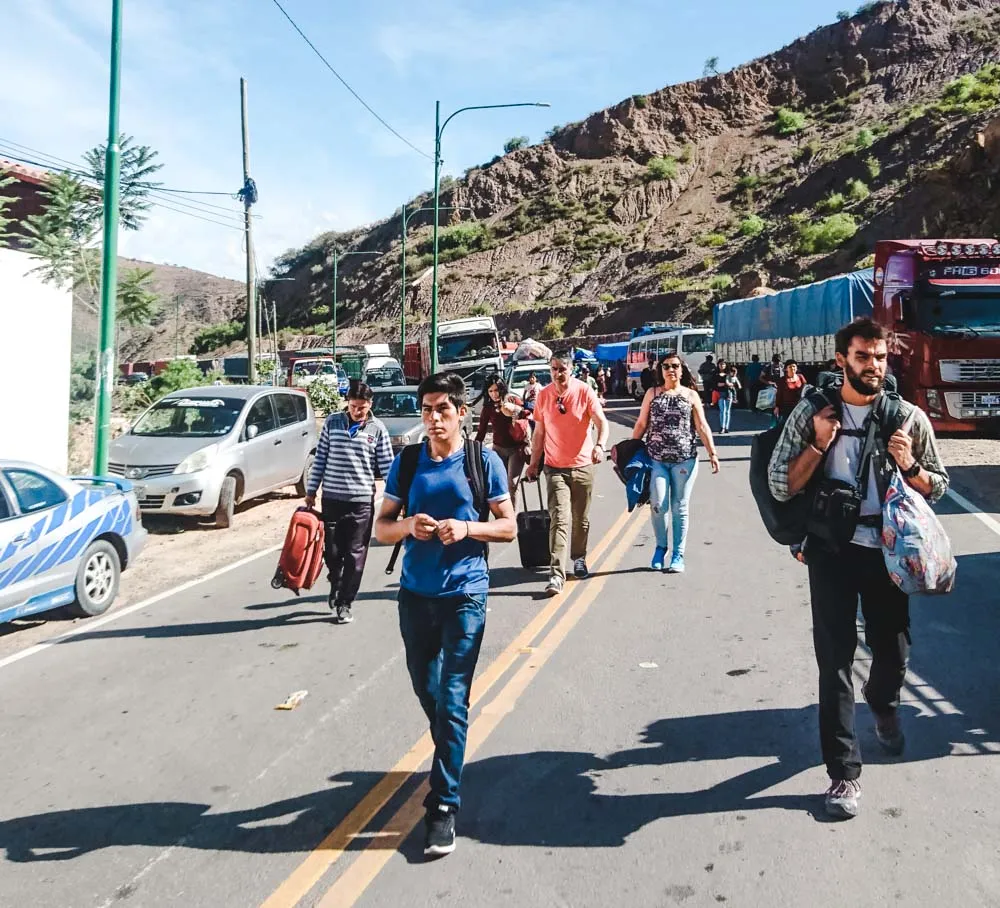
I’m not gonna say the time everyone got kicked off of our bus a few kilometres away from the nearest city in Bolivia due to road blockades & political protests was the worst thing to ever have happened in the world, but it wasn’t particularly fun:
Of course, COVID-19 will have had an impact while this country safety data was put together. The problem with trying to gauge medical safety in developing countries during a global pandemic is that testing is not universally affordable – by the government nor the general population – and these countries’ lack of power and money on the world stage means they are often low in the pecking order to receive solutions once they are discovered.
The pandemic data collection & reporting in Latin America is not always well-funded/far-reaching and often needs to be taken with a pinch of salt.
Anyway, let’s get into the list of the safest countries in Latin America to travel to in terms of the latest Global Peace Index in 2026…
And for reference, Canada scored a ranking of 14th out of 163 in the latest GPI report, the UK came 30th, and the USA held at ranking at 128th. Yep.
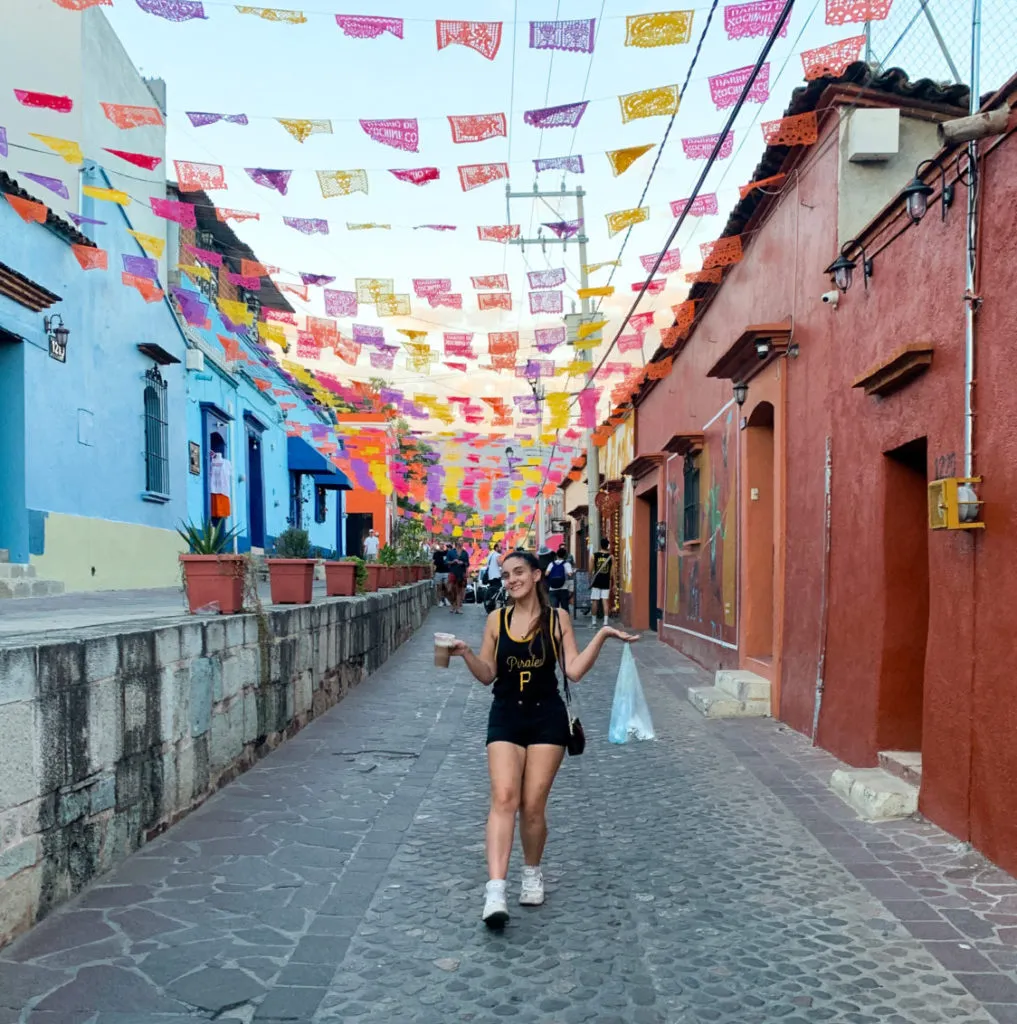
Safest countries in Latin America in 2026:
10. Guatemala
2026 Global Peace Index Ranking: 108
This was a relatively new entrant into the top 10 safest countries in Latin America since I started these guides a few years ago, so it’s great to see Guatemala not only making an appearance in the list, but also holding its ranking year-on-year since the last time the Global Peace Index was done.
It’s seen a huge improvement in the homicide rate in recent years (it’s been on a downward trend since 2009, impressively), but the country is sadly still known for femicide (usually within domestic relationships).
From a visitors’ point of view, caution and a keen eye are needed in assessing situations, but outside of the larger cities you won’t feel too on-edge.
Check out my ultimate bucketlist for destinations to visit in Guatemala here.
9. El Salvador
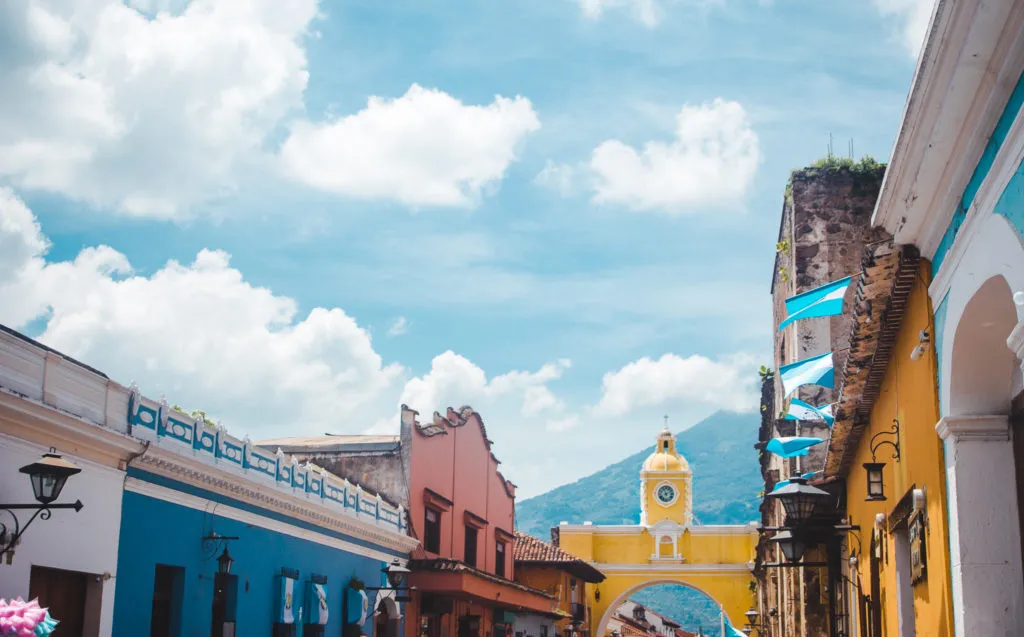
2026 Global Peace Index Ranking: 104
The only one of these safest countries in Latin America that I haven’t personally been to! El Salvador has a historically poor safety reputation, alongside its neighbour Honduras, mostly for femicide and cartel activity.
However, it’s on the way up (and has risen another 1 rank for 2026), and it’s actually known amongst the tourists who go to its gorgeous coastline as a pretty chilled place. According to the GPI, only 11% of surveyed locals claimed they feel unsafe in their country in 2025.
El Salvador is seen as a massive success story in lowering the homicide rate. It was 108 per 100,000 deaths in 2015, but just 2.5 by 2024, which is an insane improvement in safety. That being said, it’s incarceration rate is the highest in the world (1% of the population), so I guess we know how they achieved it.
8. Peru
2026 Global Peace Index Ranking: 96
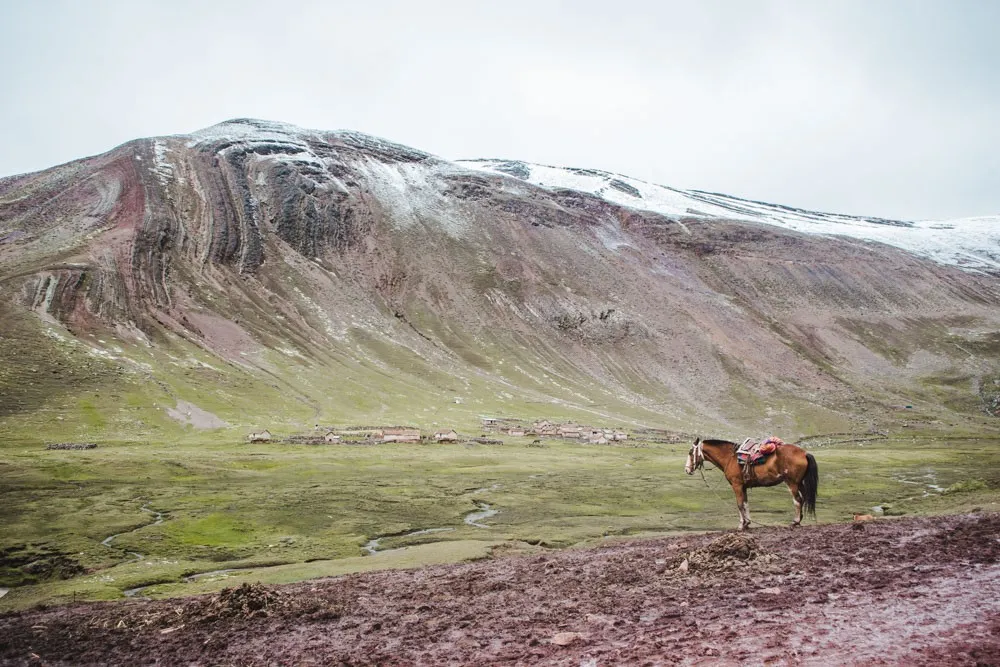
The biggest mover in the safest countries in Latin America 2026, up a whopping 14 places! I’m glad to see it, because it’s definitely a must-visit for tourists interested in the rich history of this region. This improvement in safety year-on-year is due to a lack of anti-President protests, economic recovery and cartel crack-downs.
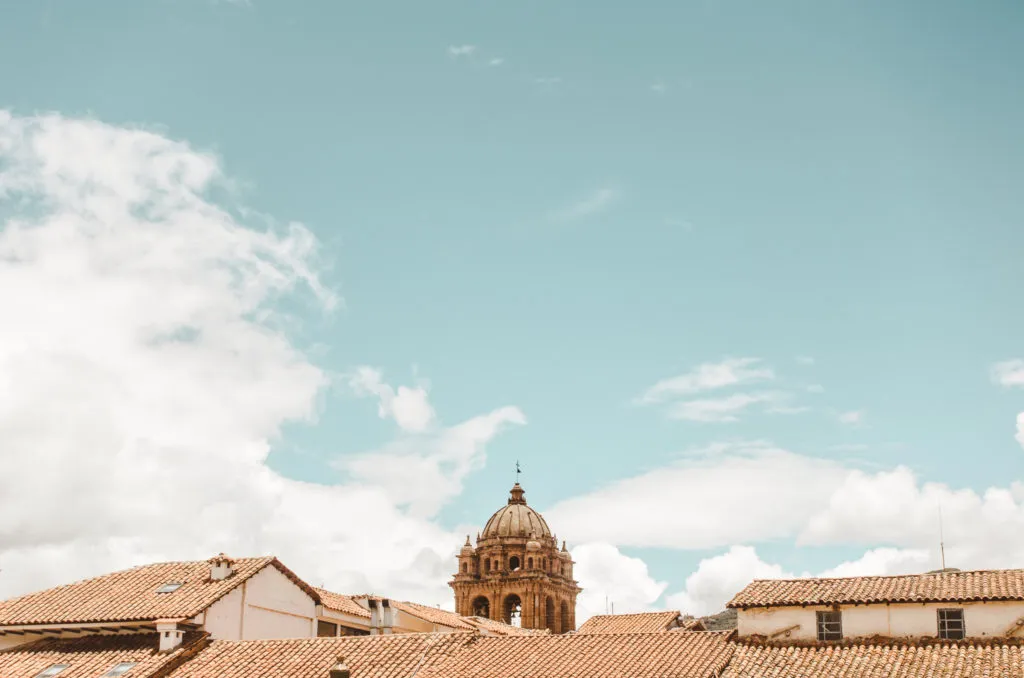
So though this isn’t in the top half of the rankings, be assured that you can explore all the wonders of Machu Picchu, Cusco and Paracas without looking over your shoulder the whole time. Some parts of the cities of course get dodgy, so wise up on the safer areas before you travel to Peru (or anywhere else, for that matter).
Check out my 2-week itinerary for travelling around Peru here.
7. Panama
2026 Global Peace Index Ranking: 84
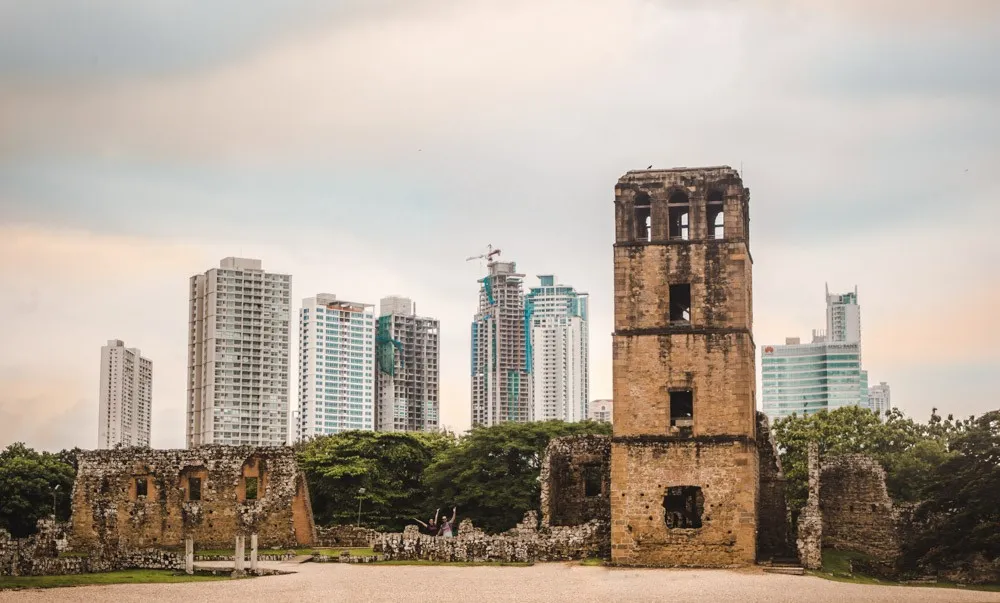
Panama is on its way back up the safety rankings! I think when many people think of Panama, they see rich businessmen and brand-new high-rises benefitting from the tax haven, and while that is still true, most of the country’s population lives in a fairly shocking level of poverty. The contrast is really stark.
Panama is just… I don’t know how to describe Panama without it sounding like a negative thing, but… neutral? Chill? Mild?
Anyway, a key reason that Panama continues to sit near the middle of the top 10 safest countries in Latin America is that it suffered unrest in the last few years over reforms that the government tried to push through that were to have a significant effect on marginalised groups.
These protests largely occur in Panama City, so are unlikely to affect travel across the rest of the country.
Needless to say, the San Blas Islands are a very safe bet, and a great detour when travelling from South America to Central!
Check out my 2-week itinerary for travelling around Panama here.
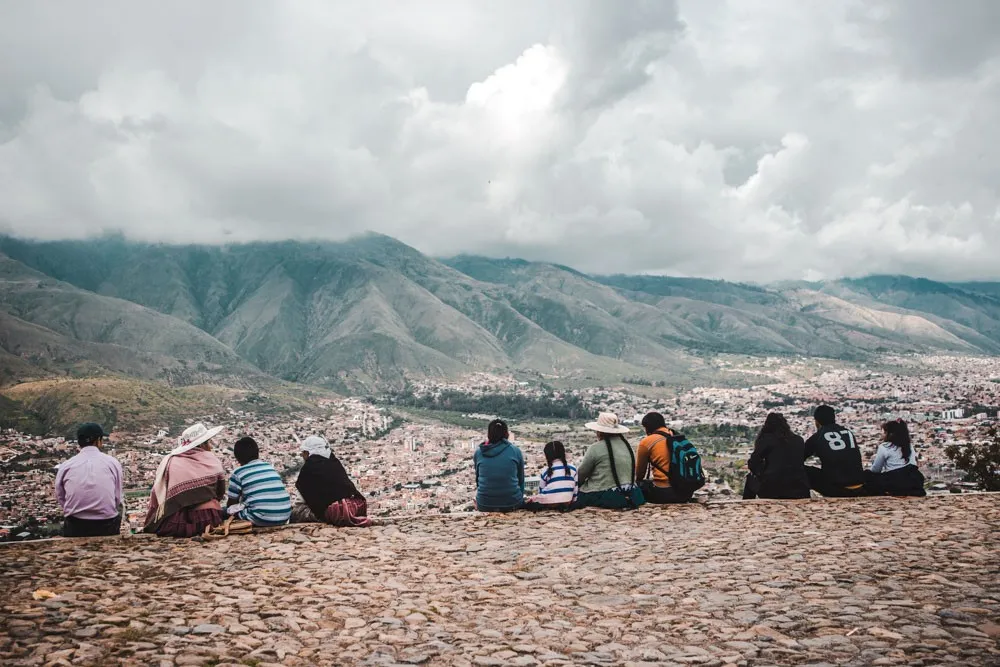
6. Bolivia
2026 Global Peace Index Ranking: 83
To tell the truth, this one sort of surprised me at first, as while petty crime is quite common due to the relative poverty in Bolivia, violent crime isn’t necessarily an everyday threat as long as you don’t get involved in the wrong crowd/cartel.
Where Bolivia does not score well is in the militarisation indicator, especially in the wake of the ousting of their hero-turned-cray-cray-fraudster, Evo Morales, back in 2019 and the political turmoil that has thrown them into. But aside from having to plan travel around road blockages and the like, this shouldn’t affect visitors too significantly.
Tourists’ biggest threat is bus crashes, which I can absolutely understand – if I had the money, I would have flown everywhere in Bolivia to avoid watching my night bus edge the tyre as far as possible over the ravine to let another bus pass on a single-vehicle mountain pass.
Check out my 2-week itinerary for travelling around Bolivia here.
5. Paraguay
2026 Global Peace Index Ranking: 75
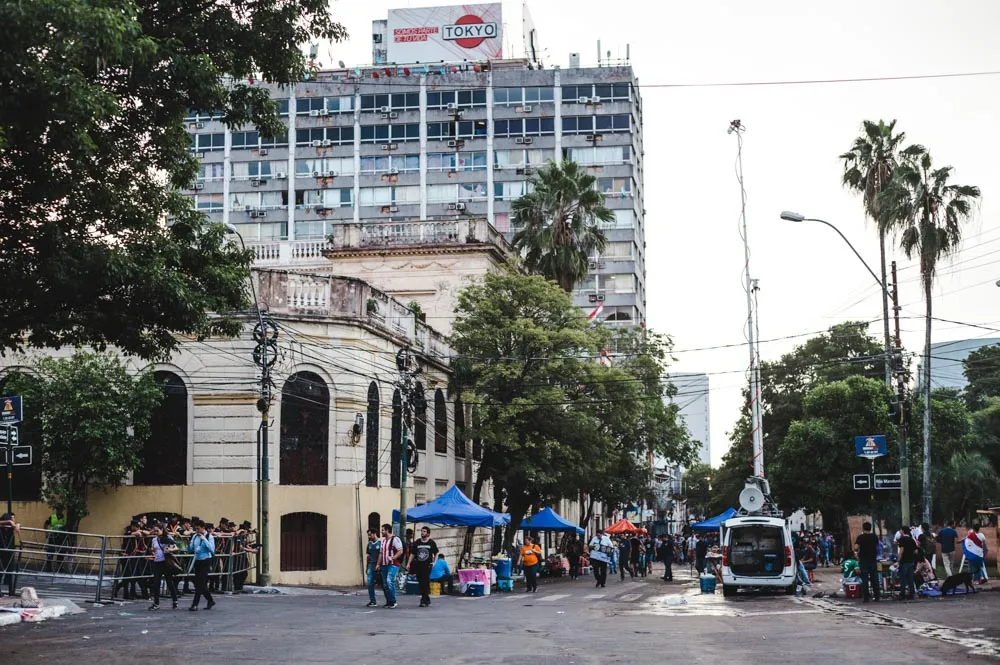
I feel like Paraguay is one of those countries that just keeps its head down and gets on with things. One thing I noticed when I visited Paraguay was that the wealth gap is HUGE, so people are either São Paulo elite wealthy or La Paz hilltops poor.
Paraguay doesn’t score too well on the economic cost of violence, which explores indicators such as armed conflict and internal displacement.
I definitely felt a little on-edge in some parts of Asunción as there are several shanty towns right in the centre, but it didn’t help that we arrived during a protest against political corruption. However, in the richer parts of the city, people party like it’s an NYC rooftop, pulling up in their Range Rovers with not a care in the world. Just pick your areas wisely!
4. Chile
2026 Global Peace Index Ranking: 62
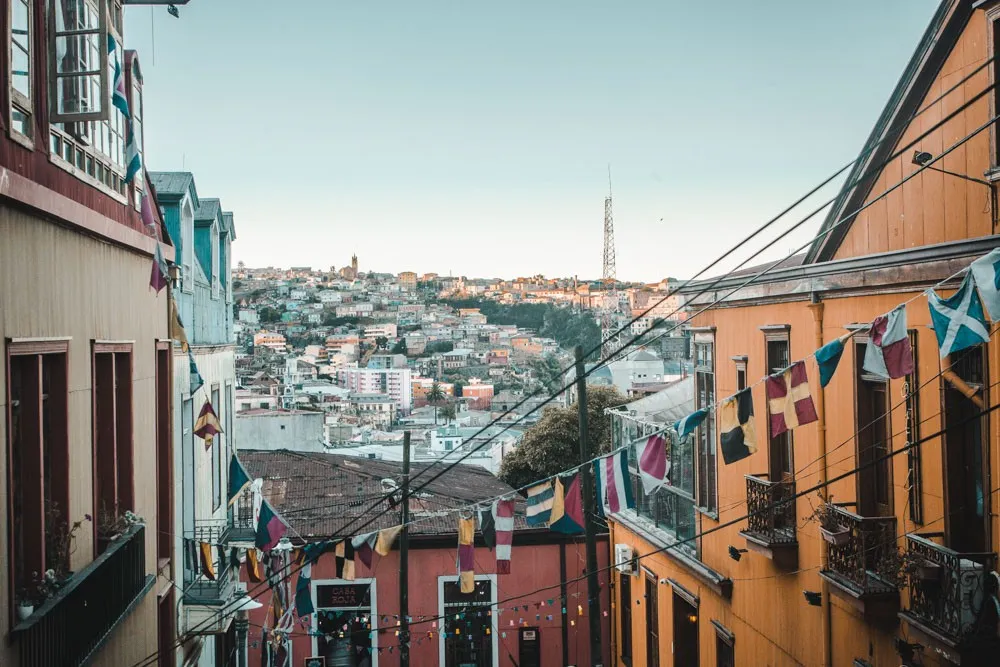
In the 2019 GPI, Chile scored the highest ranking of all the safest countries in Latin America, ranking 27th worldwide. However, ongoing civil unrest in reaction to a very unpopular government means that it has slipped from its pedestal in recent years, but the good news is that it seems to have stabilised, with no changes in ranking year-on-year in 2026.
Away from the big cities, Chile’s most beautiful areas are still very much peaceful, so just keep up-to-date with protests and plan your trip to the ex-safest country in South America accordingly.
Check out my bucketlist of places not to miss in Chile here.
3. Costa Rica
2026 Global Peace Index Ranking: 54
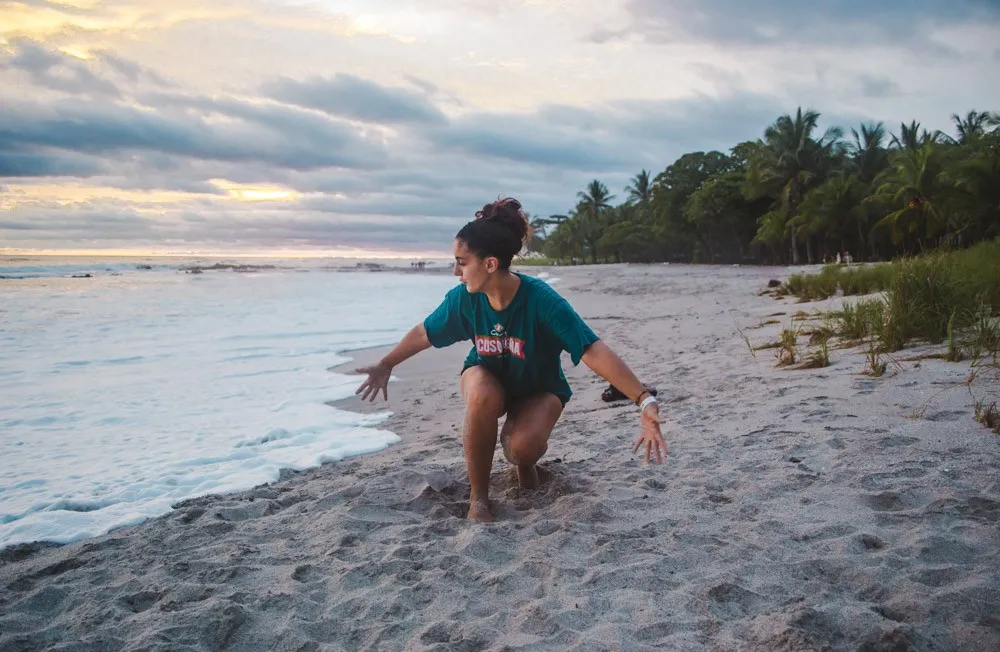
Long a safe haven for tourists wanting to dip their toes into Latin American travel without being too exposed to many of the dangers associated with this region, Costa Rica remains one of the top of the safest countries in Latin America to travel, though it has actually slipped 4 places globally year-on-year.
This decline in safety rating is probably owing to a rise in gang thefts in the South, and the strain on the system from an influx of Nicaraguan refugees over several years.
But the person most at-risk is the President, who has recent luck in avoiding a planned assassination. Honestly, the biggest crime against tourists in Costa Rica is the price of tours + expectation for fat tips at the end. Don’t @ me, bruh.
The country has been tagged as an up-and-coming hub for medical device production, which means it can expect some chunky investment and rises in GDP in future years.
Check out my 2-week itinerary for travelling around Costa Rica here.
2. Uruguay
2026 Global Peace Index Ranking: 48
Second of the safest countries in South America, Uruguay is famed for its political stability and relative lack of violent crime. On a global level, it’s 5th best for lack of ongoing conflict, just below Singapore.
The GDP per capita is much higher than some of its neighbours, so there’s less of a need for people to survive via desperate means. Education levels are high, and the climate is mild.
Funnily enough, since arriving in Uruguay was the first time I ever stepped foot on South American soil, I remember being caught up in the continent’s bad reputation and feeling entirely on-edge for the first 2 weeks or so, even though it’s technically safer than my home country. Lols.
Check out my 2-week itinerary for travelling around Uruguay here.
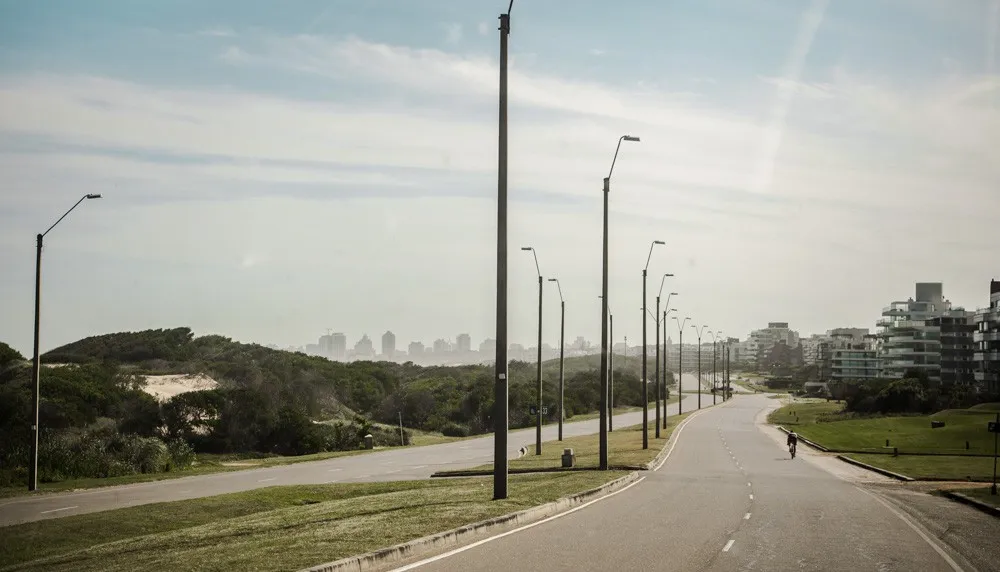
1. Argentina
2026 Global Peace Index Ranking: 46
Sneaking above 5 whole places up in this list of the safest countries in Latin America for 2026 since the previous year’s report, Argentina has smashed it, beating Uruguay and Costa Rica to the top place, and improving its peacefulness metric by 3.8%. Argentina isn’t perfect, but it is more known for its political and economic instability, so as a tourist you don’t need to be too preoccupied with the risk of violent crime.
Most crime towards foreigners is petty – whilst there, I was victim to credit card copying in a restaurant in Buenos Aires, and then accused of being the thief in Rosario when someone had cash stolen off their bed in a hostel (spoiler alert: I wasn’t).
Again, protests can happen, and while the economy is currently on the up, declaring bankruptcy every 5 years or so is a trick the Argentinian government is fond of which can make money hard to value and get hold of. Generally though, planning ahead and keeping an eye on the news can keep the impact to a minimum, and protests tend to be peaceful.
Check out my 2-week itinerary for travelling around Argentina here.
And what about the unsafest countries in Latin America?
For the nations that didn’t make this top 10 safest countries in Latin America in 2026, let’s have a look at how they ranked on the 2026 Global Peace Index:
Nicaragua 111
El Salvador 122
Honduras 124
[Remember, the USA sits here at 128]
Ecuador 129 (a huge drop in recent years!)
Brazil 130
Mexico 135
Venezuela 139
Colombia 140
The one I’m most disappointed to see at the bottom of the ranking of safest countries in Latin America is Colombia, as it obviously has a special place in my heart. However, it reveals some of the flaws in using this data, as it can’t account for the fact that the guerrilla violence and cartel activity are heavily concentrated to certain regions that tourists would/should never go.
Much of the petty crime in Colombia (and to be honest, many of the other countries in Latin America) can be avoided by being aware of your surroundings and not drawing attention to yourself as a tourist. Check out safety tips for Colombia here.
Venezuela, however, is down at the bottom of the list of safest countries in Latin America in 2026 for a very solid reason; unfortunately it’ll be a few years at the very least before it’ll be advisable to travel there due to immense political unrest and the displacement of millions of people. And you know, Trump.
TLDR: The safest countries in Latin America 2026
| Safety Rank | Country | Vibe | 2026 GPI Ranking | This Country’s Safety Must-knows |
| 1 | Argentina | The All-Rounder | 46 | Safest for solo travelers; the most common crime is Argentina’s pricing, so stick to MEP card rates for better value. |
| 2 | Uruguay | The Stable Haven | 48 | Low violent crime; ideal for families and digital nomads. Again, foreign cards get tax auto-refunded on hotels, restaurants & car hire transactions. |
| 3 | Costa Rica | Nature’s Sanctuary | 54 | Avoid leaving valuables in rental cars at remote trailheads. Have more wits about you in the capital. |
| 4 | Chile | The Modern Frontier | 62 | Generally safe, but monitor local news for “manifestaciones” in Santiago. |
| 5 | Paraguay | Under-the-Radar | 75 | Low tourist density means less targeted petty crime. |
| 6 | Bolivia | The Adventurer’s Choice | 83 | Use Radio Taxis for safety, and avoid night-time travel between cities – fly where you can, the buses are pure squeaky-bum-time. |
| 7 | Panama | The Logistics Hub | 84 | Seen as very safe in Panama City and Boquete; use caution in Darien border areas where things get a little more lawless. |
| 8 | Peru | The Rising Star | 96 | Significant safety improvements in 2026; Cusco considered the safest urban hub. |
| 9 | El Salvador | The Turnaround Story | 104 | Drastic drop in homicide rates; now seen as safe for ‘mainstream’ coastal tourism. |
| 10 | Guatemala | The Cultural Classic | 108 | Considered safe in major tourism hubs, like central Antigua and the towns around Lake Atitlán; use shuttles over chicken buses if you’re worried/value your comfort. |
Now you’ve reached the end of this post on the safest countries in Latin America in 2026, don’t miss:
- Backpacking in South America: must-know tips and tricks
- Border-crossing tips for South America
- Best places for your first time in Latin America if you don’t speak Spanish

Found this post on the 10 safest countries in Latin America in 2026 helpful?
Save the below image as a pin on Pinterest to be able to refer to this list of safest countries in Latin America again later!
Latin America Safety FAQs
My opinion is no; you would miss out on so much beautiful culture, nature and life experience if you were to only stick to the safest countries in Latin America for your 2026 travels. However, (and it’s a big however), you need to get to grips with your surroundings, take precautions and don’t accept silly risks.
Of course! Check out this heavy-duty padlock that should still fit most hostel lockers; a RFID blocking wallet to protect you from pocket-card-scans, a lanyard to keep your phone secure from pick-pockets, and of course, make sure you have proper travel insurancethat will actually protect you. You absolutely will feel better for having it, even in the safest countries in Latin America.
I have many safety tips, right here! I think the most important of all of those 32 LatAm safety tips is to trust your gut – whether or not you’re in the safest countries in Latin America. Your brain and body and constantly assessing micro-reactions subconsciously, and they KNOW when something is off. Don’t ignore the feeling, and don’t be socially scared to get out of a situation you’re not 100% comfortable.
Last Updated on 18 March 2026 by Cuppa to Copa Travels
USA should be one of the least safe to travel do to corruption , political harassment by people supporting the government .also protest on the street also by government supporters .
It doesn’t matter where you are, Frank. Corruption is all around you right now. What are these “government supporters” protesting?
Did you not read the article? It IS listed as one of the least safe.
Very informative. I lived in Mexico back in the 90’s . It depends where you live. Queretaro was super safe. Never felt threatened. D.F. is a little different but only felt really on edge once. Also lived in Costa Rica. I didn’t get about much due to work but again, i felt super safe, Thanks for the write up.
Thanks so much for reading, and for your additional input! 🙂
Informative blog. I was victim of petty thieves in Buenos Aires and Vina del Mar, but not violent
Sorry to hear that! All I had was my credit card getting copied in a BA restaurant!
Panama colon area dislikes Americans rocks threw at me places wouldn’t service me feed me same as in Panama city
Thank you very much.
I think you made an error talking about Venezuela.
NOBODY MENTION CUBA, MY MY FAMILY AND MANY FRIENDS BEEN TO CUBA AND WE FOUND IS A SAFE COUNTRY TO TRAVEL WITH A GOOD MEDICAL SYSTEM….MARINA FROM AUSTRALIA
I am guessing the author is American and it’s not as easy to travel to Cuba because of the travel restrictions to the country.
British, actually! 🙂 As I said in the article I stuck to mainland LatAm simply because that’s what my blog readers tend to come to me for advice on (I tend to get lots of backpackers on the ‘gringo trail’!). But I’m probably going to rewrite this to include the islands for accuracy when I next get the time.
Thanks for reading!
why isnt El Salvador listed, is it a political black ball? if you visit beautiful El Salvador, you will see for yourself the lies that are been spread, published, by opponents of the current government administration. El Faro, De soros,and the human right watch commission need to stop spreading lies about my country.
Thank you for sticking up for the truth. And the truth is that El Salvador will soon become the safest country in both the entire continents of North and South America. El Salvador’s homicide rates have been dropping to literally 1 death, and if you’ve read the news lately you can tell the President has just sent 10,000 soldiers to arrest gang members, soon enough El Salvador will become the SAFEST country in ALL of Latin America. Y yo estoy diciendo esto como un Salvadoreño.
I agree with the comment regarding El Salvador, I was there in September and found to be a beautiful and safe country.